
Corrugated box style guide
What Is an RSC Box?
Understand the Regular Slotted Container (FEFCO 0201), how its flaps close, where it is used and how to measure one for standard or custom ordering.
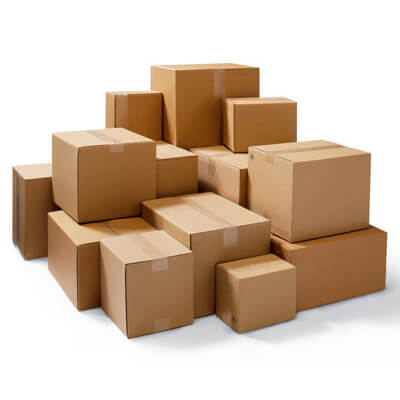
If you have ever received a parcel or packed up a home, you have almost certainly handled an RSC box, even if you did not know its name. The Regular Slotted Container is the plain brown workhorse of the packaging world, and it is by far the most produced corrugated box on the planet.
Its design is deceptively simple: one flat sheet of corrugated fiberboard, scored and slotted so that it folds into a sturdy rectangular box with flaps that fold in and seal with tape. That simplicity is exactly why it is so popular. It creates very little offcut waste, it needs no special tooling, and it stacks neatly for storage and transport. In this guide we explain what an RSC box is, what the letters stand for, how it is put together and made, how it compares with a die-cut box, and how to measure one before you order.
What Does RSC Stand For?
The Regular Slotted Container belongs to the FEFCO 02 family of slotted boxes. FEFCO is the numbering system used across the packaging industry to describe box styles, and 0201 is the code for this exact design. Because it is the default box that most factories already run, it is usually the cheapest and fastest corrugated box you can order in volume.
What Does an RSC Box Look Like? (Flaps and Structure)
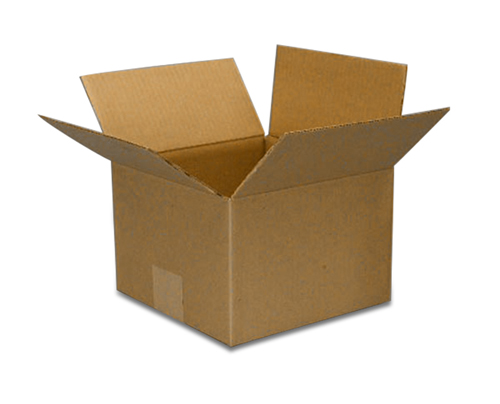
This flap geometry is the signature of the style. When you close the box, the shorter inner flaps fold down first, then the longer outer flaps fold over them and butt together along the centre seam. That centre seam is where you run your tape, on both the top and the bottom.
The whole box is a single piece of board joined at one glued or stitched corner, known as the manufacturer's joint, which keeps it strong and simple. If you need a flat, even base or a double layer of protection, a fill-in pad can be dropped between the inner flaps.
How Is an RSC Box Made?
An RSC box is made on a machine called a Flexo Folder-Gluer, which prints, scores, slots, folds, and glues the board in one continuous pass. The process starts with a flat sheet of corrugated board. The machine scores the fold lines, cuts the slots that form the flaps, prints any simple markings, folds the blank, and glues the manufacturer's joint.
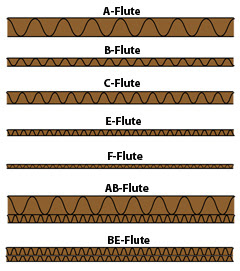
Because every cut is a straight line, no expensive cutting die is needed, so the boxes are quick and cheap to produce at scale. The finished boxes ship flat and are set up on site when needed. You can also choose the board strength: single wall board suits lighter goods, while a heavier double wall board is safer for heavy or fragile loads and for moving house.
RSC Box vs Die-Cut Box: Which Should You Choose?
RSC boxes win on price, speed, and strength for regular rectangular loads, which is why they dominate warehousing and removals. A die-cut box is cut to a bespoke shape, so it holds odd or delicate items snugly and presents well on a shelf, but it costs more and usually needs a custom cutting die. If you want the full picture of the alternative, read our guide on the die-cut box.
What Are RSC Boxes Used For?
Online sellers use them to post orders, warehouses use them to store and palletise stock, and households use them to pack up a flat or a house. For a home move, sturdy double wall cartons in a few common sizes will carry the bulk of your belongings safely. See our range of moving boxes for packing tips and sizes, or browse our full list of double wall carton boxes for prices.
How to Measure and Order an RSC Box
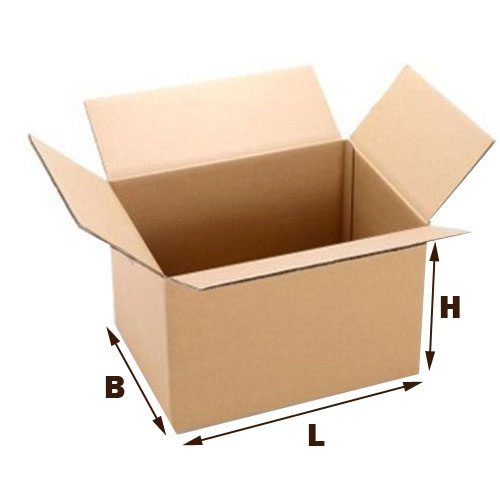
Length is the longer side of the opening, width is the shorter side of the opening, and height (also called depth) is the distance from the base to the opening. Once you know the size, decide whether single wall is enough or whether a heavier double wall board is safer for the weight. Most suppliers set a minimum order quantity, so it helps to estimate how many boxes you need before you enquire. You can order standard sizes from our carton boxes page, or ask us for a custom RSC size.
Conclusion
The RSC box earns its place as the most used carton in the world by being simple, strong, and affordable. Its equal flaps, single-piece construction, and straight-line cuts make it fast to produce and easy to pack, whether you are shipping products or moving house. When you need a standard, reliable box, the Regular Slotted Container is almost always the right starting point. If you are ready to buy, browse our double wall carton boxes for moving and storage, or ask us for a quick quotation on a custom RSC size. We deliver across Singapore within a few working days.
Common questions
RSC Box FAQs
What is an RSC box?
An RSC box is a Regular Slotted Container, the most common style of corrugated shipping box. It is made from one piece of board with four flaps on the top and four on the bottom. The two longer flaps meet in the centre when the box is closed, and the box is sealed with tape.
What does RSC stand for in packaging?
RSC stands for Regular Slotted Container. In the international FEFCO code system it is style 0201, which is why some suppliers call it a FEFCO 0201 box.
What is the difference between an RSC box and a die-cut box?
An RSC box uses simple straight cuts and folds, so it is low cost and quick to make, and it suits standard shipping and moving. A die-cut box is cut to a custom shape for a snug fit and retail presentation, so it costs more but protects and displays a product better.
What are RSC boxes used for?
RSC boxes are used for shipping, storage, and moving house. They stack well for warehousing and bulk distribution, and their strong corrugated walls protect goods in transit, which makes them the standard choice for e-commerce and home removals.
How do you measure an RSC box?
You measure an RSC box by its internal dimensions in the order Length x Width x Height (also called Depth), usually in millimetres. Measuring the inside makes sure the box fits the product, because the thickness of the board is not counted.